by C. M. Smith Rich
In December of 2020, I read an article by W. F. Strong in the Magic Valley EC Members’ magazine, TexasCoopPower, entitled “He Gave Us the Stars.” This article told the story of a man—Mr. William Johnson McDonald—whose extraordinary vision was the impetus behind the University of Texas’ McDonald Observatory located on Mount Locke and Mount Fowlkes in the Davis Mountains of West Texas.
After I read this article, I was enraptured, enthralled, and invigorated at the idea of visiting this spectacular place. At that very moment, with stars in my eyes, I added visiting the McDonald Observatory to a most prominent position on my vision board. Right next to it, I enthusiastically penciled in staying at the Indian Lodge in Davis Mountains State Park to my vision board, as well. (Two bucket list items for me!)
Fast forward, a little more than six years later after reading W. F. Strong’s article, to January 2026. My sister and I made our first trip to Hotel Limpia in Fort Davis, Texas, Davis Mountains State Park, the Indian Lodge at Davis Mountains State Park, and the McDonald Observatory on Mount Locke. Our main objective on what we considered a “scouting trip,” was to attend a two-day astrophotography class at the McDonald Observatory and take in as much of the surrounding sights as possible.
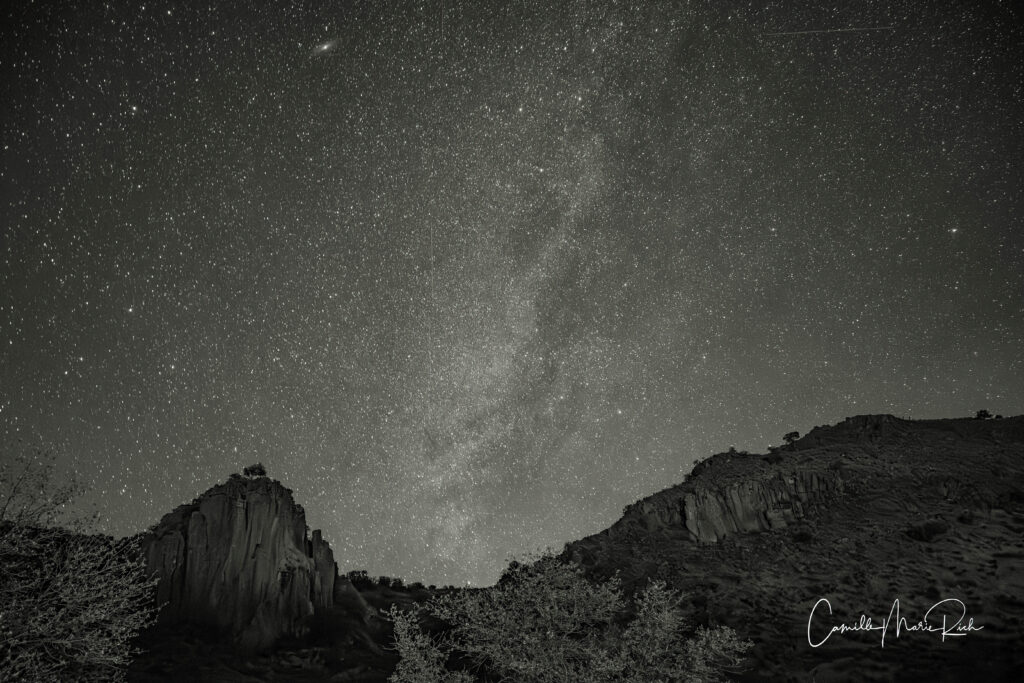
Our first night at the Indian Lodge, skies were clear. We staked out some vantage points in the parking lot and seized the opportunity to start snapping portraits of the gorgeous night sky deep in the heart of West Texas. The next day—day 2 of our scouting trip—we were on track to begin our first day of astrophotography class in the Frank N. Bash Visitors Center at the McDonald Observatory.
A winter storm was nipping at our heels…
Shortly upon our arrival, though, we found ourselves facing the high probability that our trip would be cut short due to an approaching winter storm. Consequently, we kept moving at a pretty good clip to try and take in as many of the sights as we could before we had to decide whether to stay for the second to the last day of our trip (and day 2 of our astrophotography class) or leave a day and a half early and get home safely well ahead of the storm.
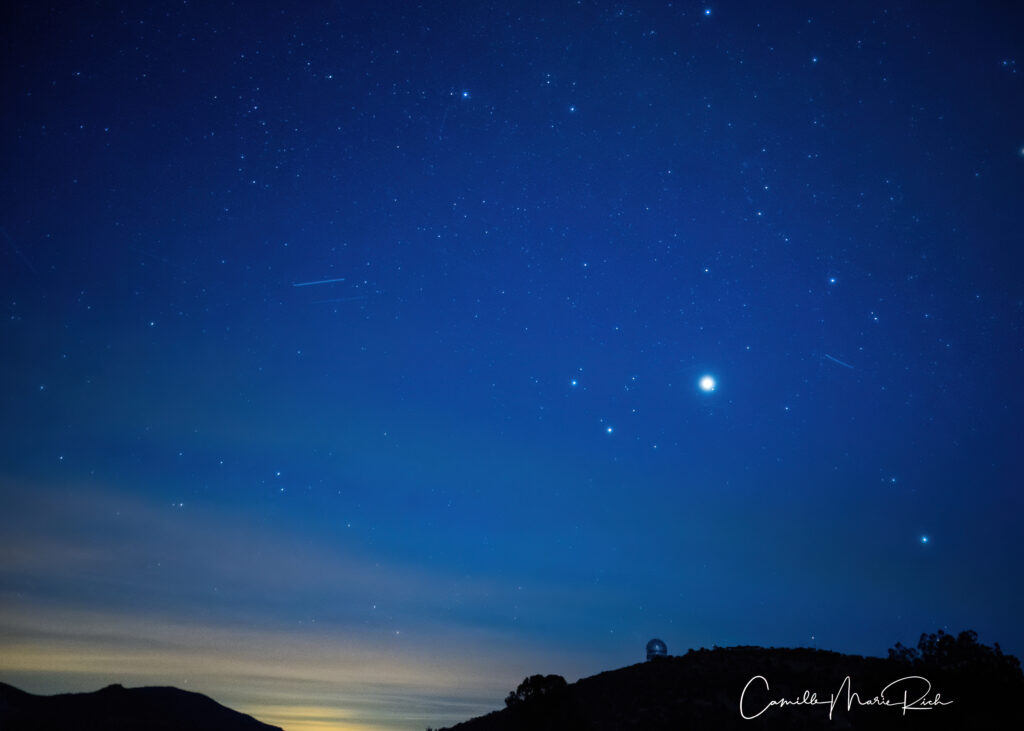
Despite our pioneering spirit, tenacity, strong will, and desire to stay, we opted to leave West Texas a day and a half early in order to, ultimately, give me enough time to get out of the San Antonio area before the winter storm set in so I could head back to the Rio Grande Valley (RGV). In retrospect, leaving the Davis Mountains a day early did afford me just enough time to get back in the RGV and winterize things out at El Mesteño Ranch and my home before the freezing temperatures set in. It was a mad dash for sure. Whew!!!
As I reflect on this trip, I give my sister the majority of the credit for helping me with astrophotography. With her expertise, guidance, and experience, I was able to get some great photos of the Milky Way in the parking lot at Indian Lodge and of the night skies over the McDonald Observatory. Naturally, when I got back home in the RGV, I had to head out to El Mesteño Ranch on the South Texas Sand Sheet—just a few days after our full moon on February 1, 2026—to try and capture some of the incredible night skies deep in the heart of the South Texas Sand Sheet.
Sunset ushering in the night sky on the South Texas Sand Sheet…
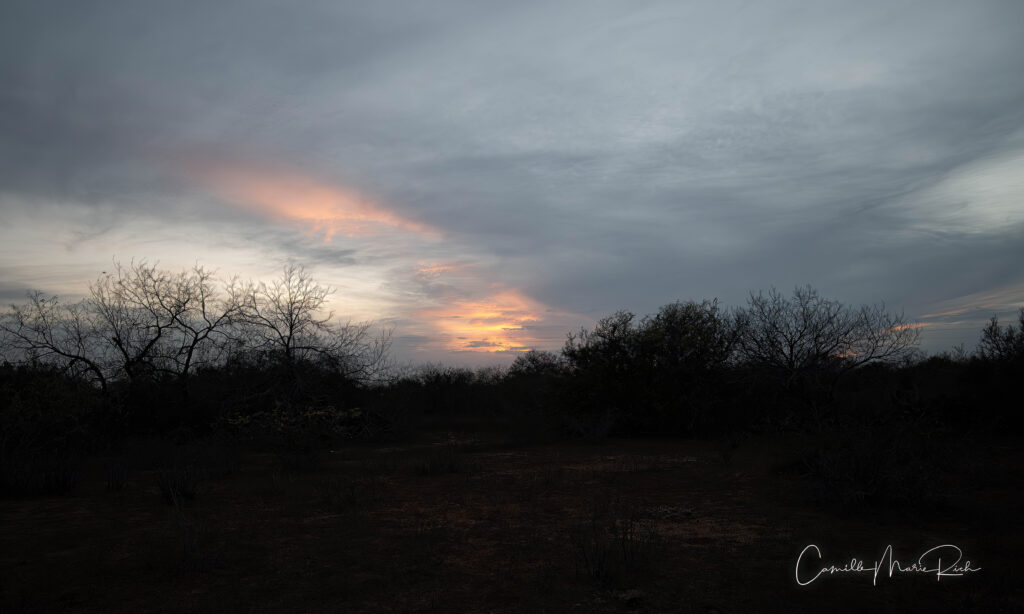
Night Skies over the South Texas Sand Sheet
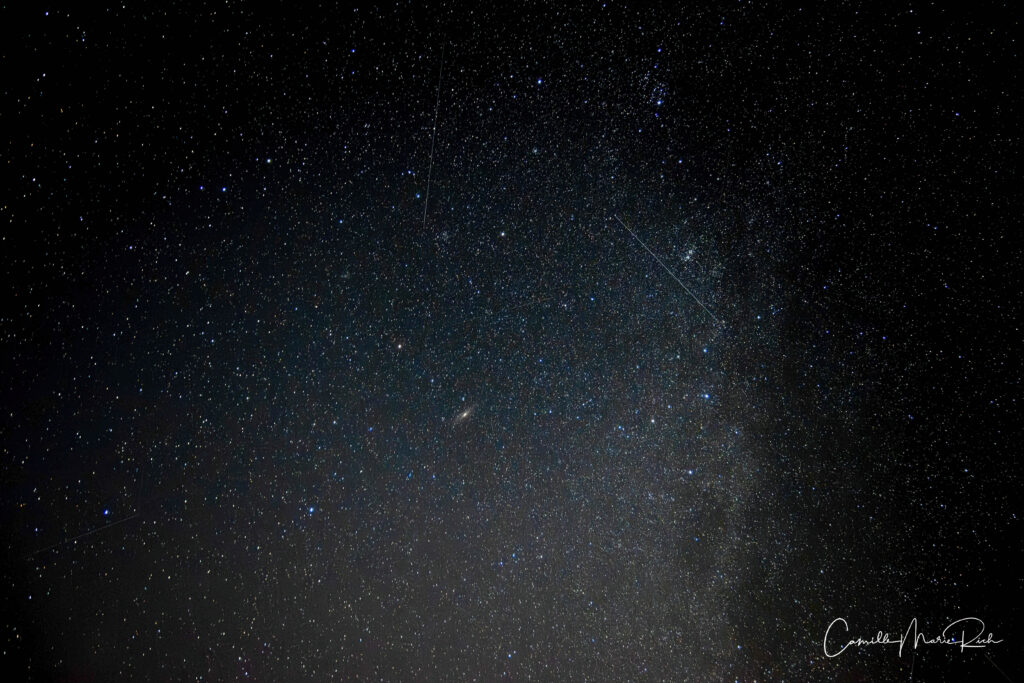
The Milky Way…
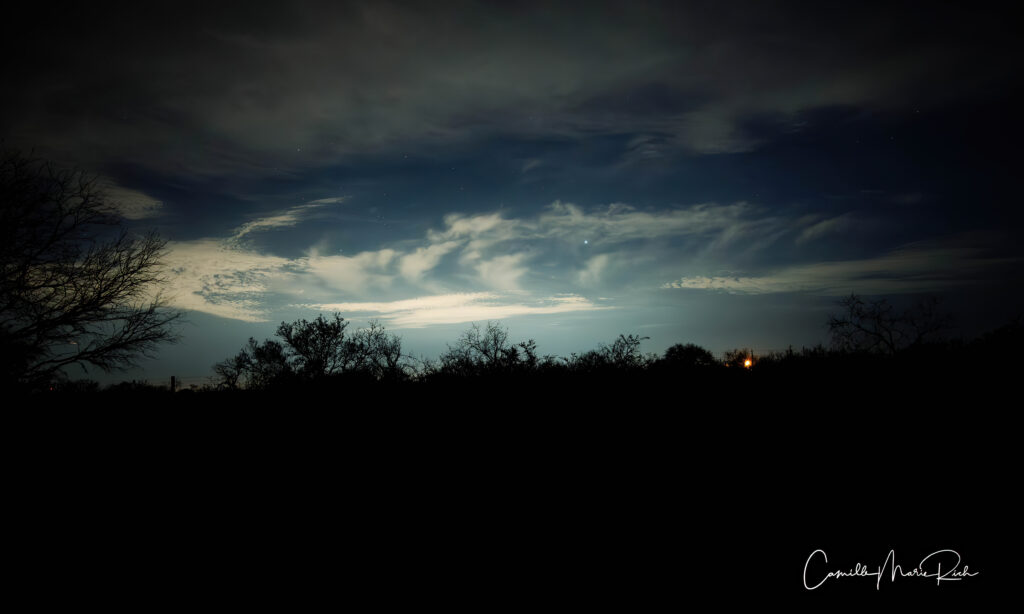
Mercury just above the horizon…
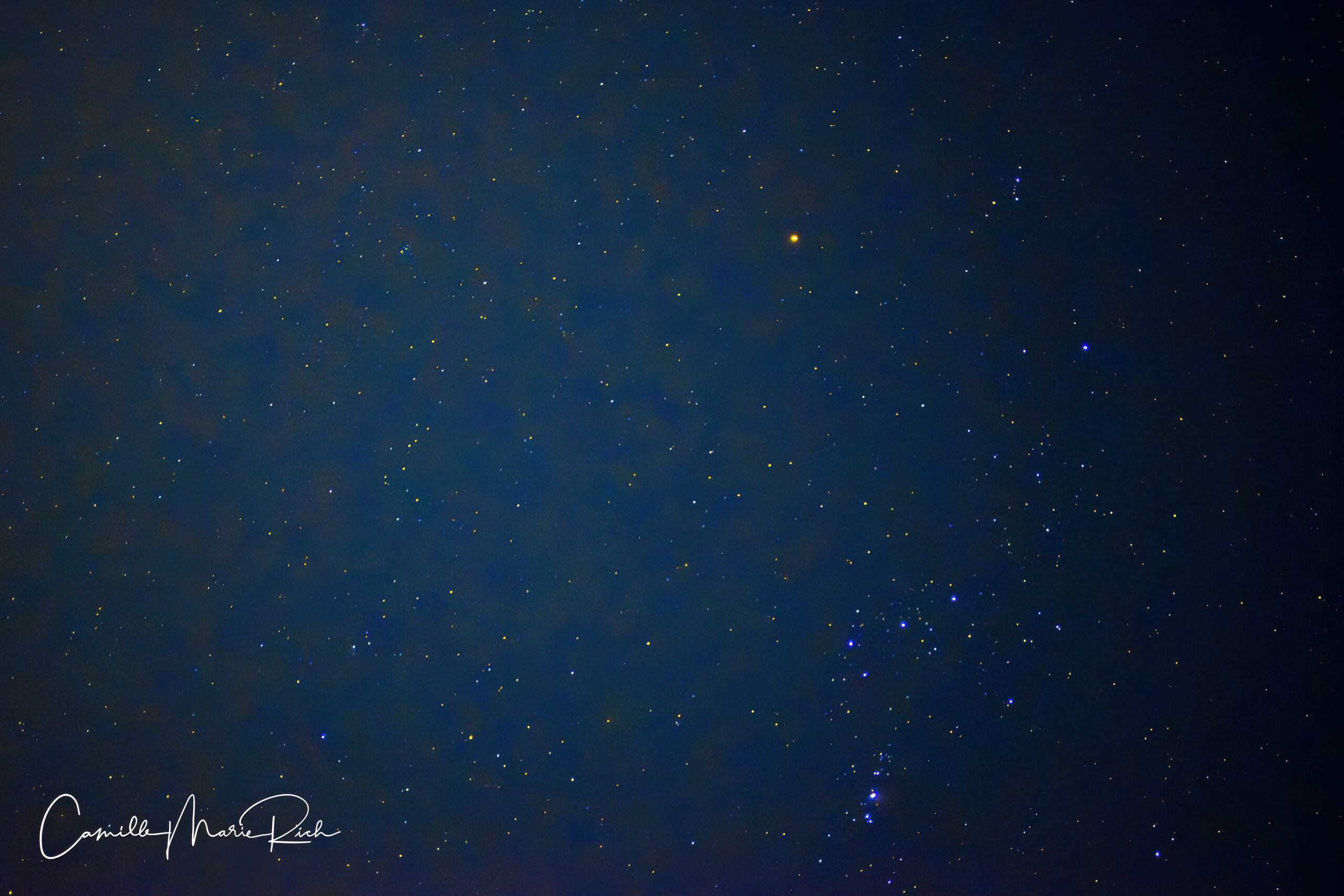
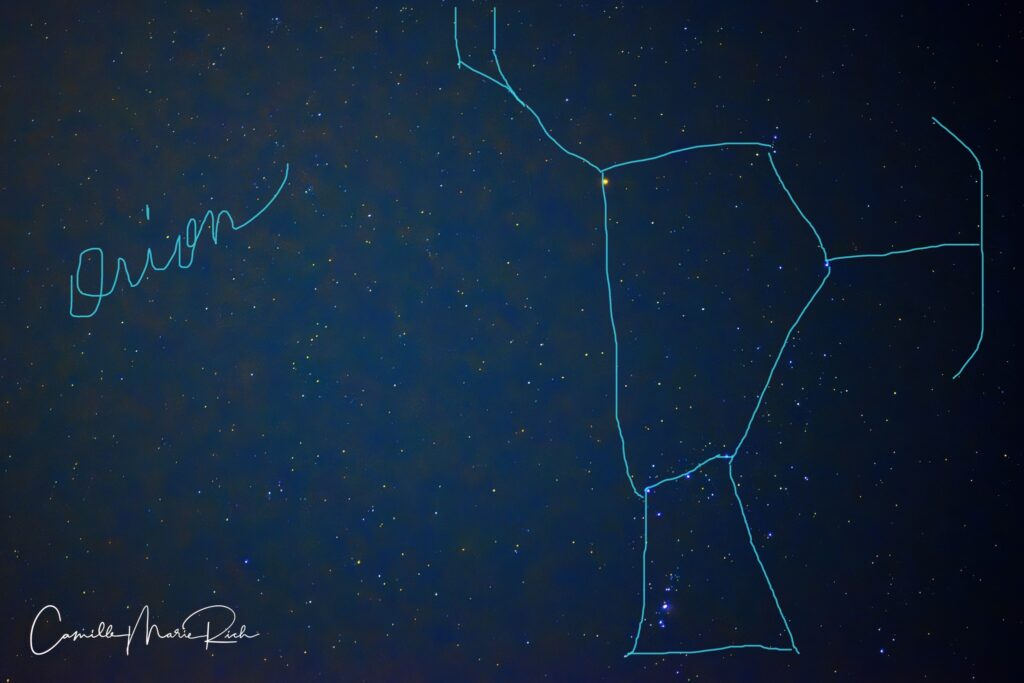
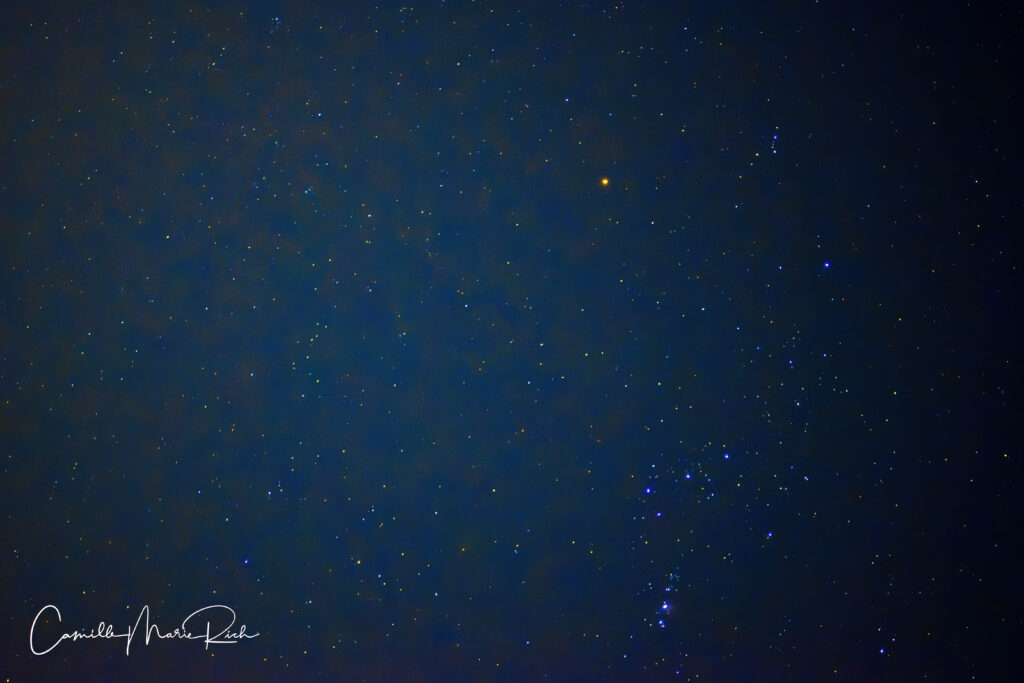
Orion

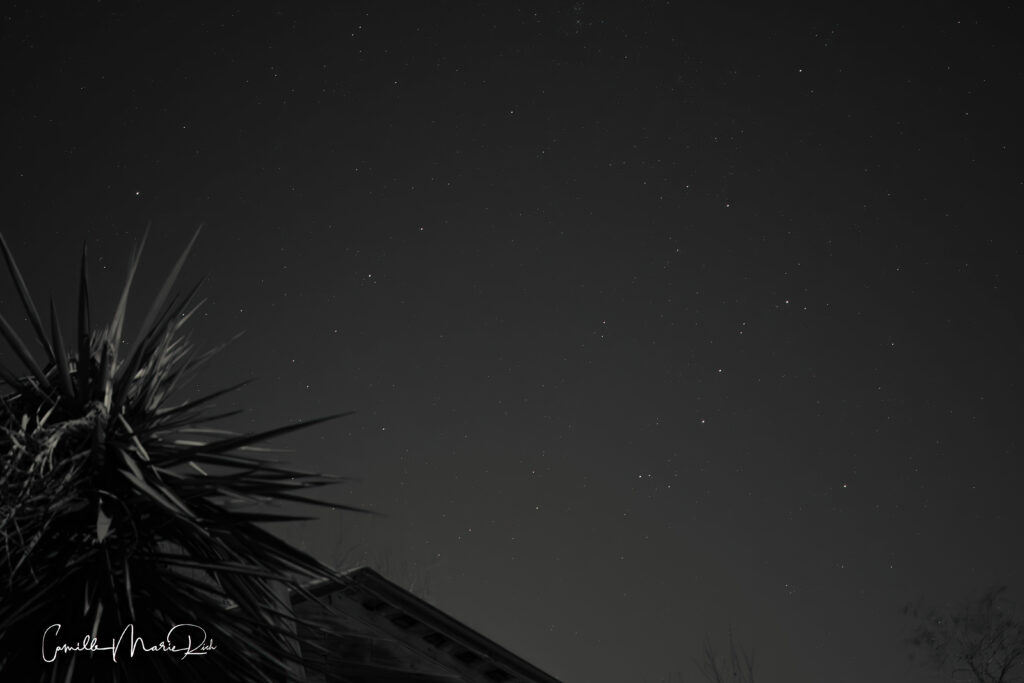
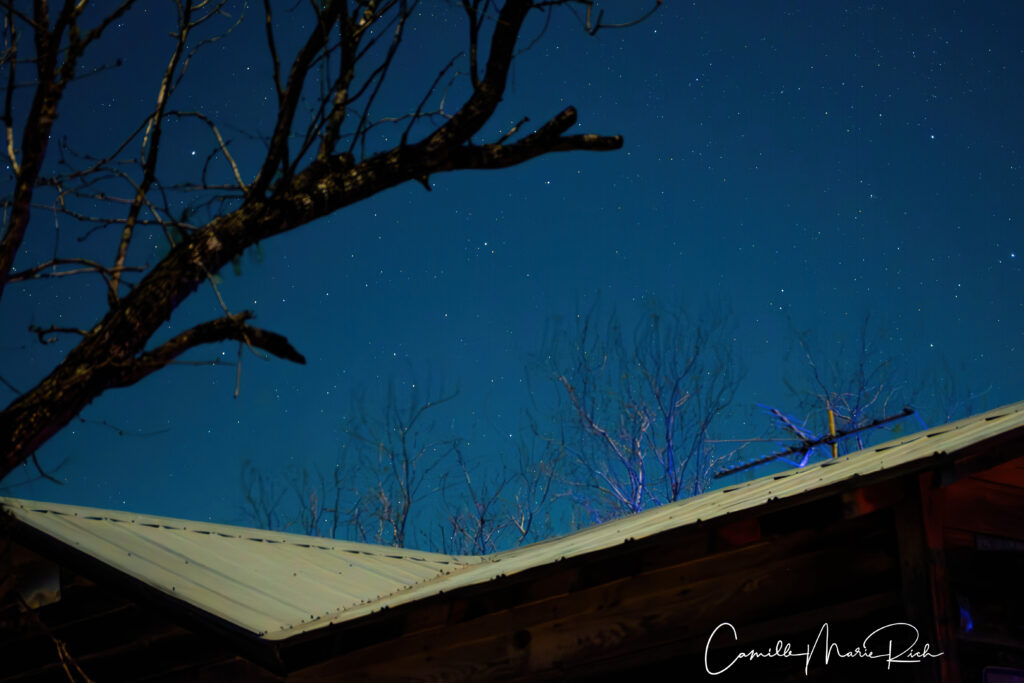
Moonlight on a tin roof…
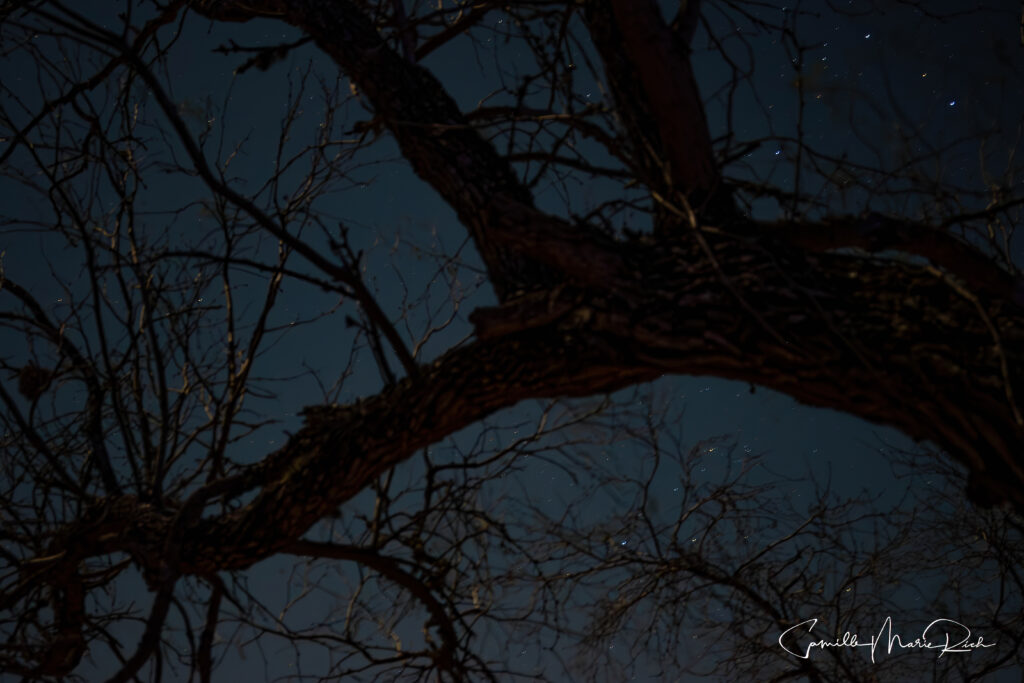
Mesquite-filtered moonlight…
Thank you for your time!
- “Mind-boggling: 95-day Emergence Cycle for the Mesoxaea texana on the books for 2026 on the South Texas Sand Sheet!”
- “Micrograph Photo Gallery of a female Mesoxaea texana”
- “Mesoxaea texana and Protoxaea gloriosa found on Dr. Steve Bentsen’s Dos Venadas Ranch in June 2026!”
- 2025 was a Banner Year for our Mesoxaea texana on the South Texas Sand Sheet in Puerto Rico, Texas!
- “El Glorioso,” our Protoxaea gloriosa, is back on the South Texas Sand Sheet!